EPA Proposes Changes to M&H Superfund Site for Groundwater Contamination

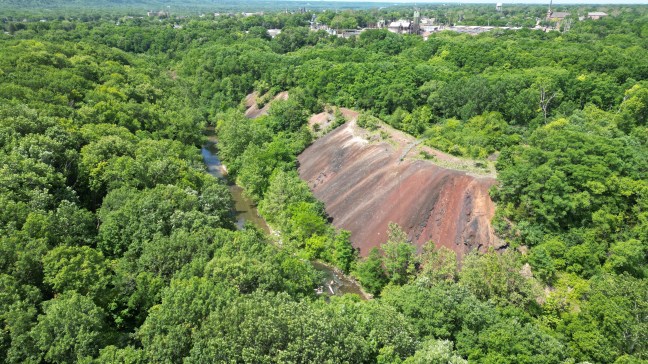
This 17-acre pile of slag and sinter that contains mercury, lead, cadmium and other chemical contaminants and heavy metals borders the Vermillion River at Carus Chemical's manufacturing plant in LaSalle Illinois. The Vermillion River empties into the Illinois River less than two miles from the plant and leads to the Mississippi River, which empties into the Gulf of Mexico, where there is a 6,300 mile dead zone where marine life cannot survive.

by: Karry King

LA SALLE, IL – The U.S. Environmental Protection Agency is proposing changes to the groundwater contamination status and monitoring at the Matthiessen and Hegeler Zinc (M & H) Superfund site in La Salle, Illinois. The contaminated site includes nearly 5,000 homes, covers most of the city of La Salle and incorporates an 80-foot-tall slag pile owned by Carus Chemicals. The 17-acre pile of slag and sinter borders the Little Vermillion River, which empties into Illinois River. From there, it empties into the Mississippi River and the Gulf of Mexico.

Clay will be used to cap the slag on the top and three sides, with terracing, which will allow wildlife and fish to nest along the base. A layer of soil will go over top of the clay so grass and native vegetation can be planted. The slag will be capped according to Illinois EPA 724 regulations.

“We didn’t originally include the groundwater because it was assumed there were institutional rules and ordinances in place, and it wasn’t a concern,” said Demaree Collier, EPA remedial project manager for the M & H Superfund site. Collier has managed the M & H site for over 20 years, before it was placed on the National Priority List.
Slag pile along the Vermillion River, Owned by Carus Chemical, La Salle, Illinois. The slag is leaching contaminates into the groundwater, according to the U.S. EPA.
Slag Pile along the Little Vermillion River, owned by Carus Chemical, Photo Credit: U.S. EPA

The towering pile of slag that resembles coal with burnt red sinter and appears as a wall that runs along the river, contains arsenic, lead, cadmium, copper, zinc, manganese and other contaminants, according to EPA documents. SVOCs and PCBs were also found onsite. The groundwater underneath exceeds the standards for allowable contaminants. The City of La Salle draws its drinking water from four wells located approximately three-quarters of a mile south of the contaminated site, with the closest one being approximately 3,700 feet away.
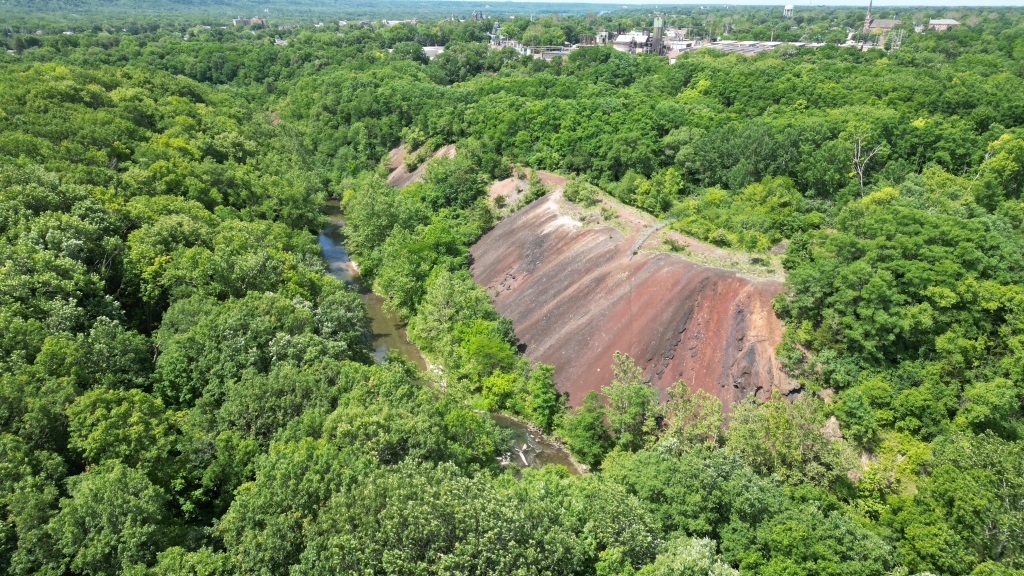
Carus Chemical slag pile is releasing contaminates into the Vermillion River, which leads to the Gulf of Mexico through the Illinois and Mississippi rivers.
Slag Pile along the Little Vermillion River, owned by Carus Chemical, Photo Credit: Jamie Hicks

The U.S. EPA defines principial threat waste as being highly toxic, highly mobile, and cannot generally be contained. If released, it would pose a significant threat to human health and the environment. Because slag can be contained by putting a cap on it, the EPA is posing a change to the 2017 Record of Decision (ROD) from principal threat waste to a low-level threat.

The proposed amendment will change the threat level status of the groundwater contamination from principal threat waste to low level threat waste. According to Collier, this change will allow the EPA to begin designing a plan that will encapsulate the slag waste and reduce groundwater contamination.

“The cap they’re going to use is an Illinois EPA regulated cap that allows for that kind of waste with hazardous components to be held within it because it meets a whole bunch of standards, so nothing can infiltrate the cap,” said Collier.

“The idea is once we do a source control, cap the giant slag pile, consolidate the onsite main industrial slag and cap that, it could potentially reduce leaching into the groundwater. The idea is that it will reduce the level of contamination that is leaching every day,” said Collier.
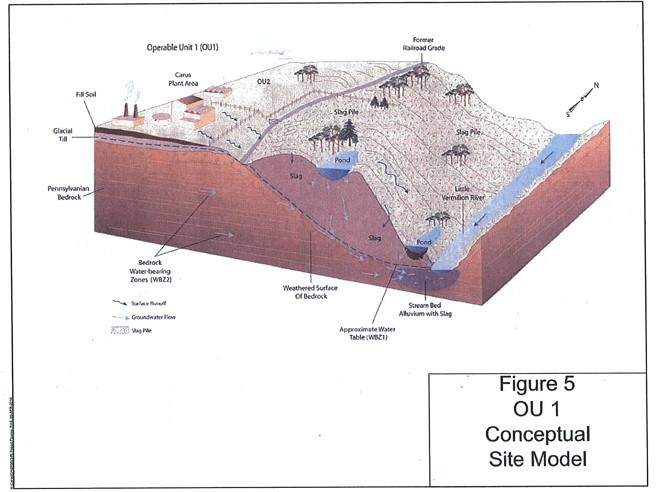
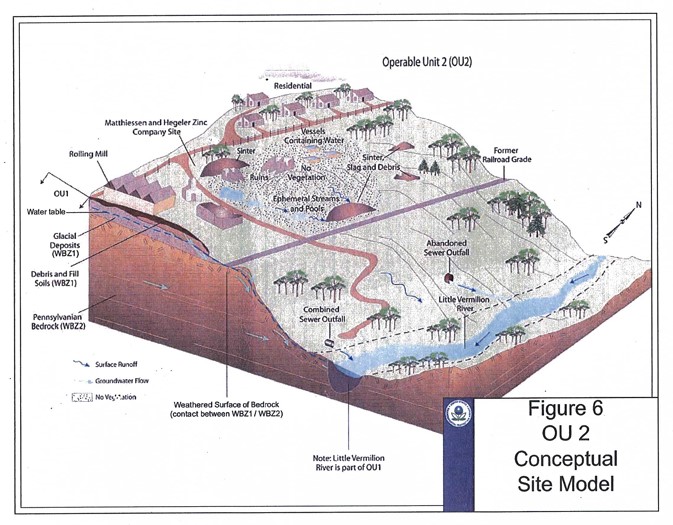
Slag Pile Cap Concept Drawings, U.S. EPA

The total cost of cleanup for the M & H Superfund site is estimated to be around $200 million. Once the ROD has been amended and signed, Collier said they will begin working on the cleanup design, which is expected to take approximately two years. After the design has been approved, the cleanup and capping will begin.

“Because we’ve been lucky enough that this site is receiving infrastructure bill money from the federal government, we’re getting an inpouring of millions of dollars just for this community, and we’re able to put that towards cleanup, so it’s happening a lot faster than it would have if we didn’t have this infrastructure money coming from the federal government,” said Collier. “The next step is negotiating with any responsible parties.”
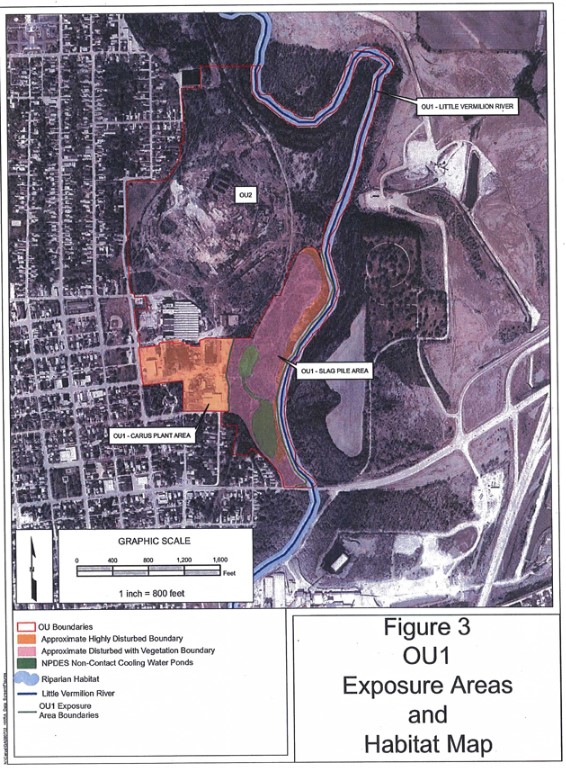
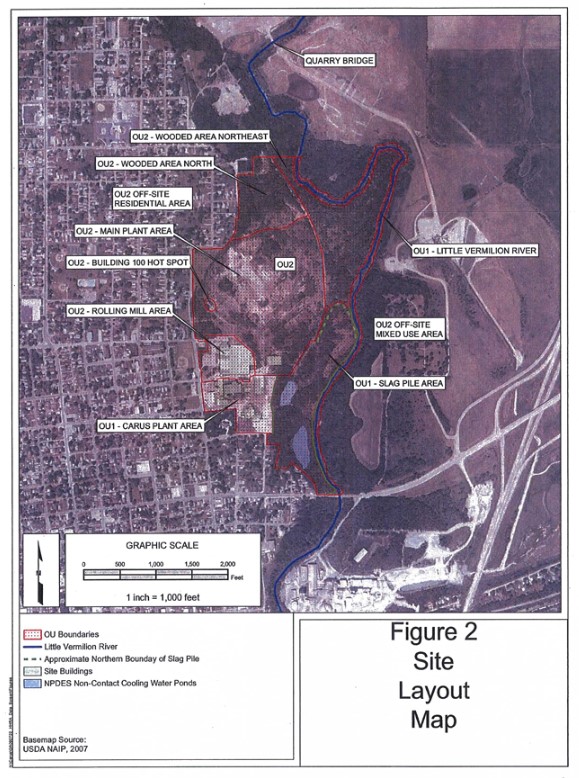
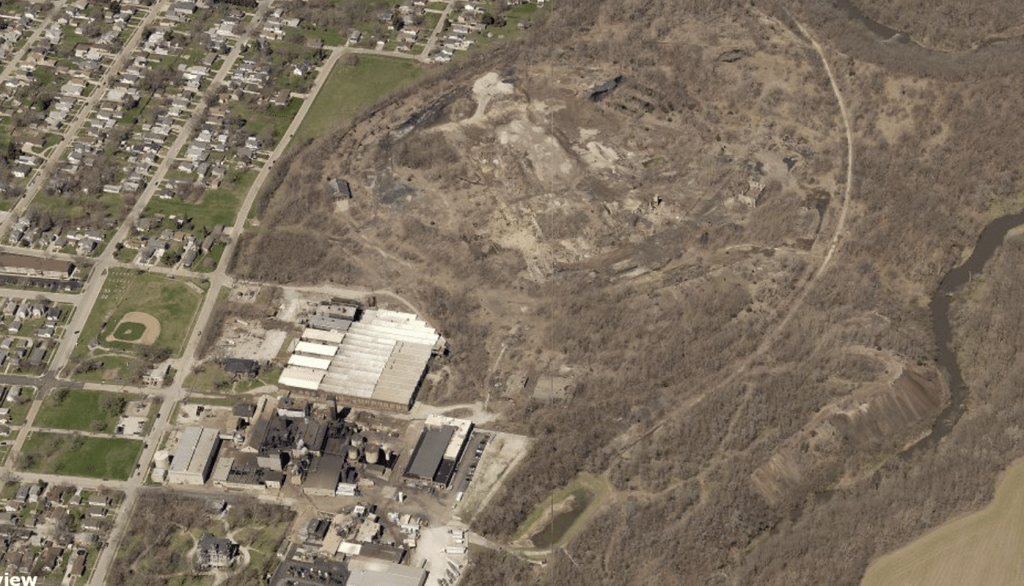
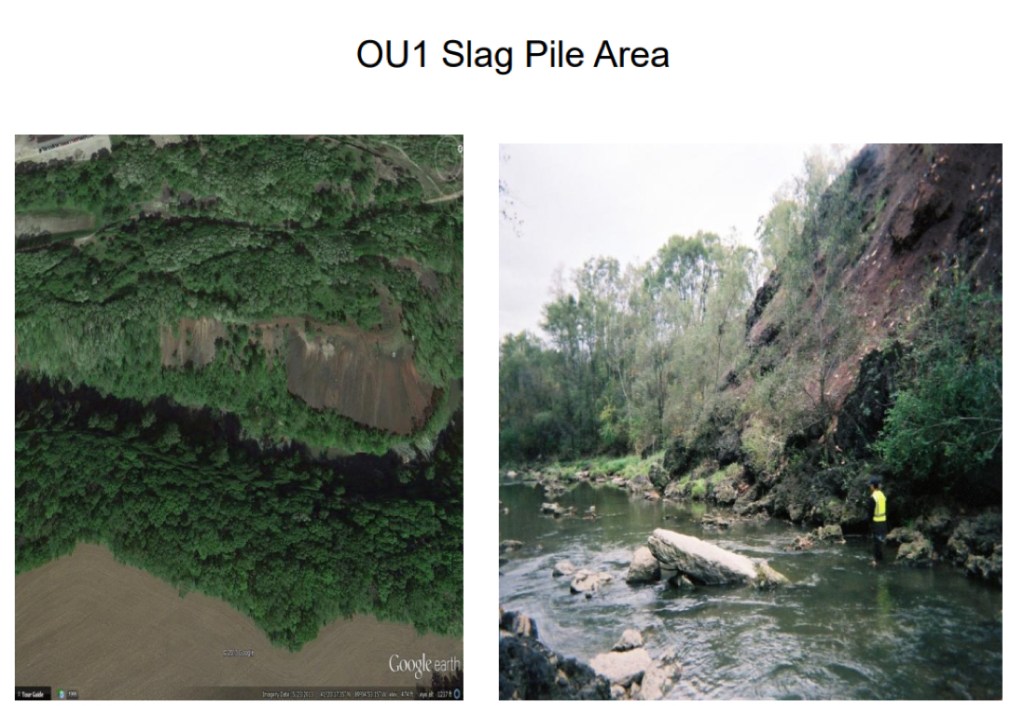
M & H Superfund Site, Photo Credit: Google Earth

Sources and Contacts:

U.S. EPA, Collier, Demaree, 312-886-0214. Collier.demaree@epa.gov. Remedial Project Manager for the M & H Superfund Site.

U.S. EPA, Muhtsun, Ruth. 312-886-6595. muhtsun.ruth@epa.gov. Community Involvement Coordinator.

U.S. EPA, Matthiessen and Hegeler Zinc Company 2017 Record of Decision. https://semspub.epa.gov/src/document/05/508966

U.S. EPA, Matthiessen and Hegeler Zinc Company, La Salle, IL Site Documents & Data. https://cumulis.epa.gov/supercpad/SiteProfiles/index.cfm?fuseaction=second.docdata&id=0507364

U.S. EPA, Community Guide to Capping. https://semspub.epa.gov/work/HQ/401585.pdf 

Illinois Department of Public Health, Martin, Aaron. 217-785-5886. Aaron.Martin@Illinois.gov. Toxicology Section Chief.

Illinois Environmental Protection Agency, Brad Frost. 217-782-7027. Brad.Frost@Illinois.gov. Manager, Office of Community Relations.
Chemicals Used to Clean Water and Air May Be Polluting It

By: Karry King

LA SALLE, IL – Potassium permanganate is used to purify water and air, but people who live near the plant where the chemical is manufactured in LaSalle, Illinois, say that it has contaminated the air, soil and water in their community.     

Carus LLC manufactures potassium permanganate and sodium permanganate, chemicals that are used by municipalities throughout the world to treat water. Over 50 percent of the domestic water that’s consumed in the United States is treated with potassium or sodium permanganate, according to the U.S. Environmental Protection Agency. Potassium permanganate is also used in mining, fracking, refining crude oil and is a necessary ingredient in cocaine production. EPA documents confirmed that Carus is the only manufacturer of potassium permanganate in the western hemisphere.

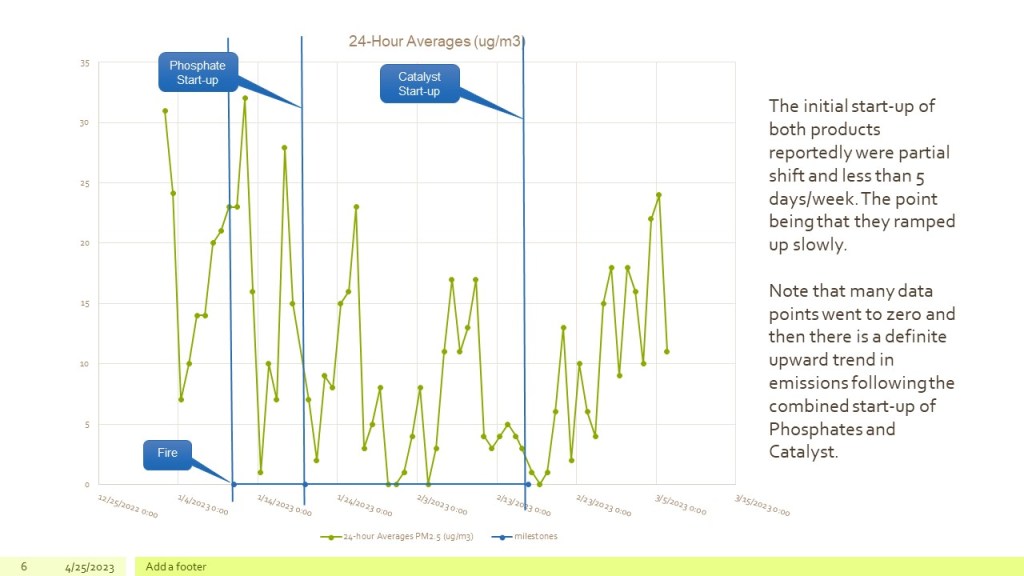
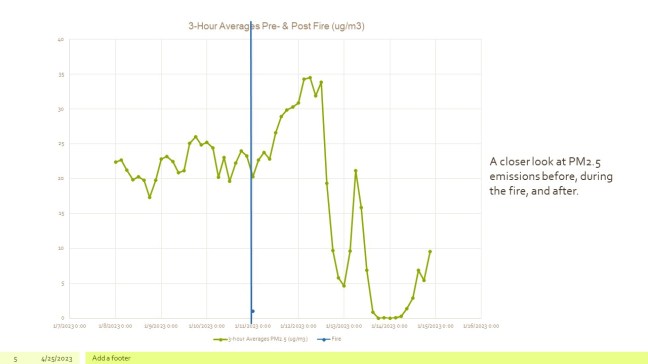
In January 2023, a massive fire broke out at Carus’ LaSalle manufacturing plant that caused chemicals to rain onto the community and toxic smoke to fill the air. Since then, residents have been digging into Carus’ EPA records and learned that heavy metals and other toxins have been being emitted into the community for decades.

Community members worked with the Sierra Club to test 17 furnace filters taken from their homes after the fire. Test results revealed lead, mercury, barium, copper, zinc and manganese were present in the filters. Out of concern for their health, residents urged the EPA and City of La Salle to order Carus to pay for more testing and asked for ductwork inside their homes to be cleaned.

Residents brought up several health concerns at a town hall meeting Carus hosted in May. Lisa Dyas said her 14-year-old son spent 15 days in the hospital with severe pneumonia after the fire, and the fluid has barely left his lungs after four months. April Stevenson, a 40-year-old single mom, said she made two emergency room visits in one week because she couldn’t breathe when Carus resumed production after the fire. She now uses a breathing machine and is on several medications.

The U.S. EPA took air samples using mobile monitors set up north and south of Carus the evening of the fire. After 19 hours of ambient air testing, the EPA said they “did not detect any substances at levels of concern” and left the scene.

However, Denise Trabbic-Pointer, a Chemical Engineer and Certified Hazardous Material Manager Emeritus, who is volunteering in La Salle, said the U.S. EPA data was not continuous, and they used an OSHA standard for comparison. OSHA standards are written for workers who leave the jobsite at the end of the day, unlike La Salle residents who breathe the air 24/7. The Illinois EPA reviewed airborne particulate matter data, but that data doesn’t reflect the toxicity of airborne metals, which were found in the furnace filters.

Lead is known to damage the brain and nervous system in children. Manganese, which was also in the filters, and was found in high levels in soil that was tested, is linked to Parkinson’s disease, psychiatric impairments, decreased IQ scores, depression, anxiety, and cardiovascular and lung diseases, according to the 2023 study, Manganese Toxicity, by Evans and Masullo.

Carus did not provide a comment for this article but addressed the issue in a letter published in the News Tribune on May 7, 2023. Richard Landtiser, vice president of innovation and technology, wrote “The U.S. Environmental Protection Agency and Illinois Environmental Protection Agency took numerous soil and air tests. They concluded the environment was safe, with no hazards to public health.”

“The community is concerned that the extent of manganese in the soil and that remains in their furnace system ductwork has not been fully assessed,” said Denise Trabbic-Pointer. 

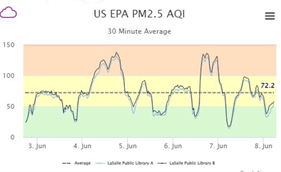
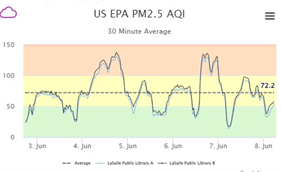
La Salle Public Library PurpleAir Realtime Data for current air quality:

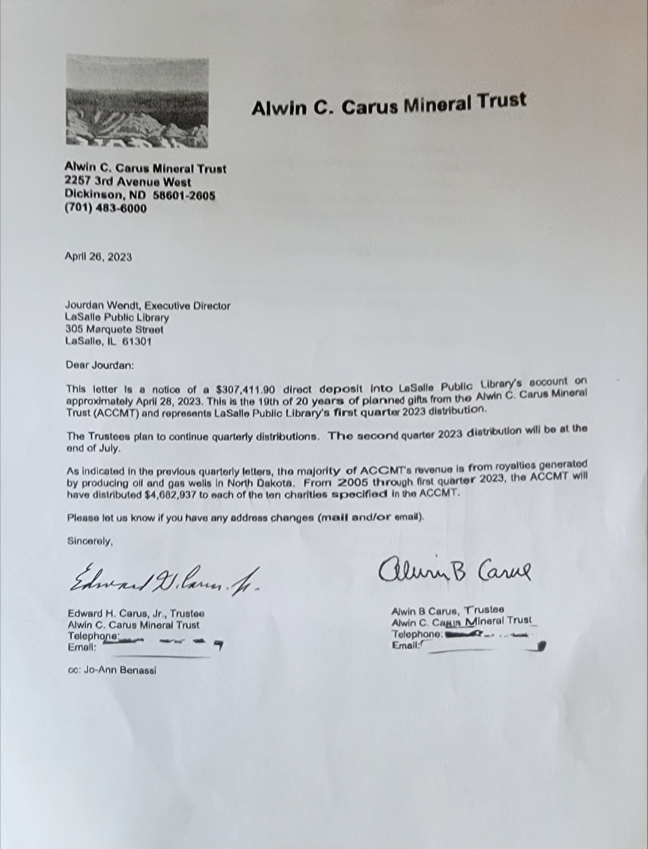
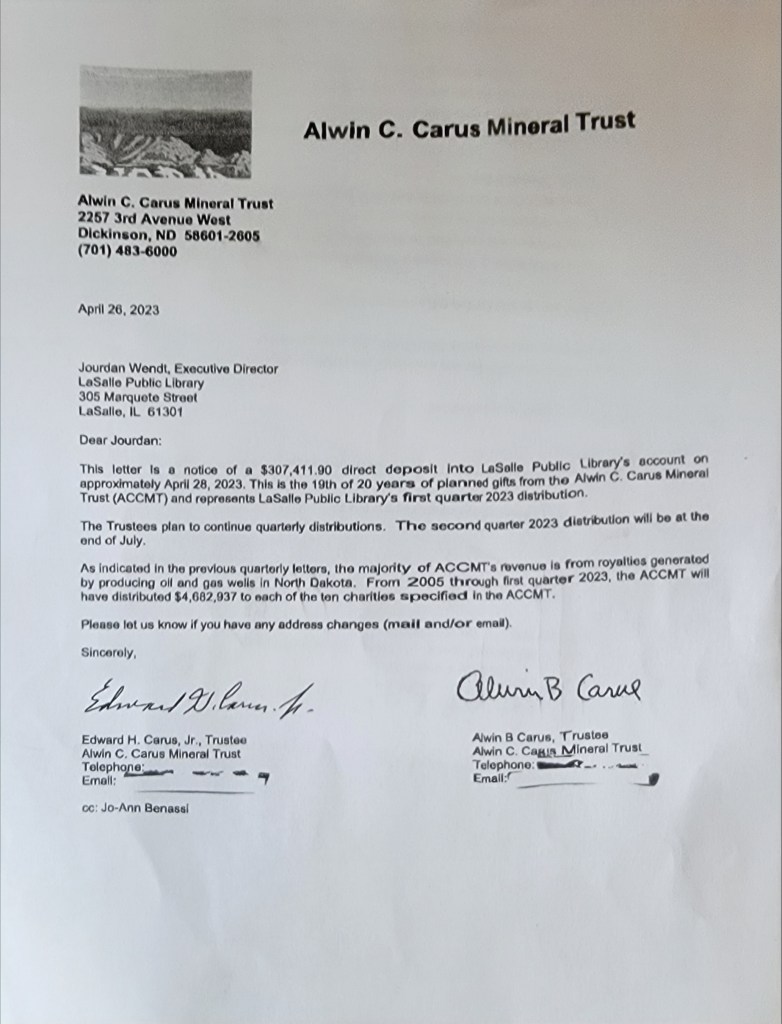
LaSalle Public Library received a $300,000 donation from Carus before the pollution monitor at the library stopped reporting.

The Carus family donates money to community organizations and non-profits to gain influence over city council. The donation listed below was made the the LaSalle Public Library shortly after the Sierra Club testified at a La Salle city council meeting about air pollution from Carus. The air pollution monitoring system that the Sierra used data is located on the roof of the LaSalle Library

June 11, 2023, LA SALLE, IL – Carus donated over $300,000 to LaSalle Public Library shortly after the Sierra Club testified at the city council meeting about heavy metals and air pollution being emitted from Carus Chemicals.

On Thursday, State Representative Lance Yednock met with LaSalle Mayor Jeff Grove, the city attorney and aldermen at the library.

Since the day of the meeting, the PurpleAir monitor on the roof of the library that records airborne particulate matter has been down.

Coincidence, or are they trying to hide something?

See for yourself. Following is a link to the purple air website that shows airborne particulate matter in LaSalle. As you will see, the monitor has been down since Thursday when they all met at the library. https://map.purpleair.com/1/a/i/mAQI/a30/p2592000/cC0…

PurpleAir Monitor, LaSalle Public Library, 5:16 am June 11, 2023.
The monitor stopped recording airborne particulate June 8, 2023 at 5:41 am.

As you can also see, the particulate matter was at dangerously high levels for much of last week until the monitor went down.